


Hey there! As a supplier of Poly Aluminum Chloride (PAC), I often get asked about the different grades of PAC. So, I thought I'd take a few minutes to break it down for you.
What is Poly Aluminum Chloride Pac?
First off, let's quickly go over what PAC is. Poly Aluminum Chloride is a water treatment chemical that's super popular because it's effective at removing impurities from water. It works by coagulating and flocculating suspended particles, making them easier to remove. You can find it being used in all sorts of places, from drinking water treatment plants to industrial wastewater treatment facilities.
Different Grades of PAC
Drinking Water Grade PAC
This is the top - notch grade of PAC. It's designed specifically for treating drinking water, so it has to meet really strict quality and safety standards. The heavy metal content in drinking water grade PAC is extremely low, which is crucial because we don't want any harmful substances getting into the water we drink.
The aluminum content in this grade is usually pretty high, often around 30% or more. High aluminum content means it's more effective at clarifying the water. When you use drinking water grade PAC in a water treatment plant, it quickly gets rid of turbidity, color, and other contaminants, leaving you with clean, safe water. If you're running a drinking water treatment facility, this is the grade you want to go for.
Industrial Grade PAC
Industrial grade PAC is a bit more flexible. It's used in a wide range of industrial applications, like treating wastewater from factories, mines, and other industrial sites. The quality requirements for this grade aren't as strict as the drinking water grade because it's not going into the water we consume.
The aluminum content in industrial grade PAC can vary quite a bit, usually ranging from 25% to 30%. It's still very effective at treating industrial wastewater, removing pollutants like heavy metals, oils, and suspended solids. For industries that need to treat large volumes of wastewater, industrial grade PAC is a cost - effective solution.
Food Grade PAC
Food grade PAC is used in the food and beverage industry. It's used for things like clarifying fruit juices, beer, and other food products. Just like the drinking water grade, it has to meet high safety standards because it comes into contact with food.
The production process of food grade PAC is carefully controlled to ensure that it's free from contaminants. The aluminum content is also high, similar to the drinking water grade. This grade helps in removing impurities from food products, improving their clarity and quality.
Applications of Different Grades
Drinking Water Grade
In drinking water treatment plants, drinking water grade PAC is added to the raw water. It quickly forms flocs with the suspended particles, which then settle to the bottom or can be filtered out. This process helps in reducing the turbidity of the water, making it clear and safe to drink. It also helps in removing some harmful microorganisms and other contaminants.
Industrial Grade
Industrial grade PAC is used in industries to treat their wastewater. For example, in a textile factory, it can help in removing dyes and other chemicals from the wastewater. In a mining operation, it can be used to separate solids from the water, making it easier to recycle the water and reduce the environmental impact.
Food Grade
In the food and beverage industry, food grade PAC is used to clarify products. For instance, when making fruit juice, it helps in removing pulp and other suspended particles, giving the juice a clear and appealing appearance. In the beer - making process, it can help in removing haze - causing particles, resulting in a clearer beer.

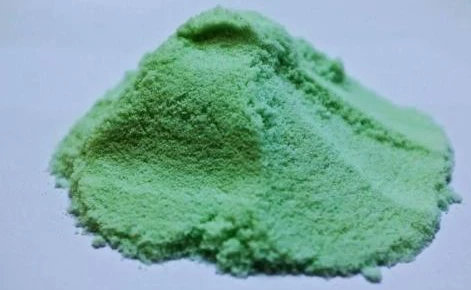
Comparison with Other Water Treatment Chemicals
When it comes to water treatment, there are other chemicals out there too. For example, Poly Ferric Sulphate is another popular coagulant. It has its own advantages, like being effective in a wider pH range compared to PAC. However, PAC is often preferred in some cases because it forms larger flocs, which are easier to settle and remove.
Organic Ferrous Sulfate is also used in water treatment. It's good at removing certain types of contaminants, but it might not be as effective as PAC in removing turbidity. PAC is more versatile in that it can handle a variety of suspended particles.
Water Based Defoamers are used to control foam in water treatment processes. While they don't directly act as coagulants like PAC, they are an important part of the overall water treatment system. Sometimes, when using PAC, foam can be generated, and water - based defoamers can help in managing that.
Why Choose Our PAC?
As a supplier, we take pride in offering high - quality PAC. We have strict quality control measures in place to ensure that our products meet the standards of each grade. Whether you need drinking water grade, industrial grade, or food grade PAC, we can provide it.
Our PAC is produced using the latest technology, which means it's more effective and efficient. We also offer competitive prices and excellent customer service. If you have any questions about which grade of PAC is right for your application, our team of experts is here to help.
How to Order
If you're interested in purchasing PAC, getting in touch with us is easy. Just reach out to us, and we'll be happy to discuss your requirements. We can provide you with samples so you can test our product before making a large - scale purchase.
We understand that every customer's needs are different, so we're flexible in terms of packaging and delivery. Whether you need a small amount for a pilot project or a large quantity for a long - term operation, we've got you covered.
Conclusion
In conclusion, the different grades of Poly Aluminum Chloride serve different purposes. Drinking water grade is for treating water we drink, industrial grade is for industrial wastewater treatment, and food grade is for the food and beverage industry. Each grade has its own unique characteristics and applications.
If you're in the market for PAC, don't hesitate to contact us. We're here to help you find the right grade for your needs and ensure that you get a high - quality product at a great price.
References
- Water Treatment Chemicals Handbook
- Industrial Wastewater Treatment Manual
- Food and Beverage Processing Technology Literature


