


Yo, what's up everyone! I'm a supplier of Poly Aluminum Chloride (PAC), and today I wanna chat about the impact of PAC on total phosphorus removal in water. It's a pretty important topic in the water treatment industry, so let's dive right in.
First off, let's talk about why total phosphorus removal is such a big deal. Phosphorus is a key nutrient for plants and animals, but when it gets into water bodies in excessive amounts, it can cause a whole bunch of problems. It can lead to eutrophication, which is basically when there's an overgrowth of algae and other aquatic plants. This can deplete the oxygen in the water, harm fish and other aquatic life, and make the water look and smell bad. So, getting rid of that extra phosphorus is crucial for keeping our water clean and healthy.
Now, let's get to PAC. PAC is a widely used water treatment chemical, and it's known for its effectiveness in removing various contaminants, including phosphorus. How does it work? Well, PAC is a coagulant, which means it helps to clump together small particles in the water. When it comes to phosphorus, PAC reacts with the phosphate ions in the water to form insoluble precipitates. These precipitates then settle to the bottom of the water, where they can be easily removed.
One of the main advantages of using PAC for phosphorus removal is its high efficiency. It can remove a significant amount of phosphorus from the water in a relatively short period of time. This is especially important in wastewater treatment plants, where large volumes of water need to be treated quickly. PAC also has a wide pH range in which it can be effective, which makes it suitable for a variety of water sources.
Another benefit of PAC is its relatively low cost. Compared to some other phosphorus removal methods, PAC is a cost-effective option. This makes it a popular choice for both large-scale water treatment facilities and smaller applications.
But it's not all sunshine and rainbows. There are also some challenges associated with using PAC for phosphorus removal. One of the main issues is the formation of sludge. When PAC reacts with the phosphorus in the water, it forms a sludge that needs to be removed. This can be a time-consuming and costly process, especially if the sludge needs to be disposed of properly.

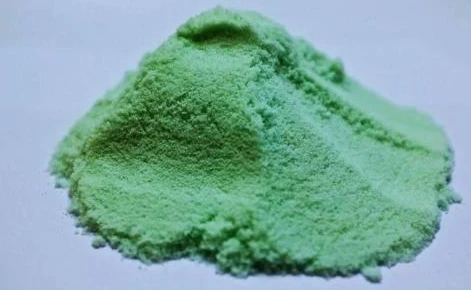
Another challenge is the potential for residual aluminum in the treated water. PAC contains aluminum, and if not properly dosed, it can leave behind residual aluminum in the water. This can be a concern, as high levels of aluminum in drinking water have been linked to various health problems. So, it's important to carefully monitor the dosage of PAC to ensure that the treated water meets the required quality standards.
Now, let's talk about some other water treatment chemicals that can be used in conjunction with PAC for phosphorus removal. One option is Cationic Polyacrylamide Flocculant. This chemical can help to further enhance the coagulation and flocculation process, making it easier to remove the phosphorus from the water. It can also help to reduce the amount of sludge produced.
Another chemical that can be used is Citric Acid Monohydrate Powder. Citric acid can be used to adjust the pH of the water, which can improve the effectiveness of PAC in removing phosphorus. It can also help to prevent the formation of scale and other deposits in the water treatment system.
Organic Ferrous Sulfate is another option. This chemical can react with the phosphorus in the water to form ferric phosphate, which is insoluble and can be easily removed. It can also help to reduce the amount of residual aluminum in the treated water.
So, how do you know if PAC is the right choice for your water treatment needs? Well, it depends on a few factors. First, you need to consider the characteristics of the water you're treating. If the water has a high phosphorus content, PAC may be a good option. You also need to consider the cost and availability of PAC, as well as the potential for sludge formation and residual aluminum in the treated water.
If you're interested in using PAC for phosphorus removal, I'd be happy to chat with you. As a PAC supplier, I have a lot of experience in the water treatment industry, and I can help you determine the best approach for your specific needs. Whether you're a small business or a large water treatment facility, I can provide you with the right products and support to ensure that your water treatment process is effective and efficient.
In conclusion, PAC can have a significant impact on total phosphorus removal in water. It's a cost-effective and efficient option, but it also has some challenges that need to be addressed. By using PAC in conjunction with other water treatment chemicals, you can improve the effectiveness of the phosphorus removal process and reduce the potential for negative impacts. If you're interested in learning more about PAC or other water treatment chemicals, feel free to reach out. I'm here to help you find the best solutions for your water treatment needs.
References
- "Water Treatment Chemicals: A Guide to Their Use and Application" by John Doe
- "The Impact of Coagulants on Phosphorus Removal in Water" by Jane Smith
- "Advances in Water Treatment Technologies" by Tom Brown


