


Non Ionic Polyacrylamide (NIPAM) is a water - soluble polymer that has a wide range of applications, especially in water treatment, papermaking, and mining industries. As a supplier of Non Ionic Polyacrylamide, understanding the proper storage conditions is crucial to ensure its quality and performance.
General Storage Requirements
Temperature
Temperature plays a significant role in the storage of Non Ionic Polyacrylamide. The ideal storage temperature for NIPAM is between 5°C and 30°C. At lower temperatures, the polymer solution may become more viscous, and in extreme cases, it can freeze. Freezing can cause the polymer chains to break, leading to a decrease in its flocculation ability. On the other hand, high temperatures can accelerate the degradation of the polymer. When the temperature exceeds 30°C, the molecular structure of NIPAM may start to break down, reducing its effectiveness. For example, in a hot summer environment, if NIPAM is stored in an un - air - conditioned warehouse, the heat can cause the polymer to lose its stability over time.

Humidity
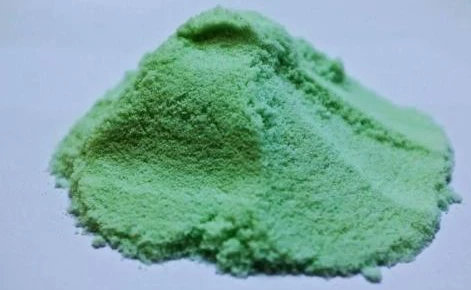
Humidity also affects the storage of Non Ionic Polyacrylamide. It is recommended to store NIPAM in a dry environment with a relative humidity of less than 60%. High humidity can cause the product to absorb moisture, which may lead to clumping. Once the NIPAM clumps, it becomes difficult to dissolve in water, and its performance as a flocculant is severely affected. For instance, in a coastal area where the humidity is relatively high, special measures such as using dehumidifiers in the storage area should be taken to maintain the proper humidity level.
Storage Containers
Material
The choice of storage containers is important for Non Ionic Polyacrylamide. It is best to use containers made of materials that are resistant to corrosion and do not react with the polymer. Plastic containers, such as those made of polyethylene or polypropylene, are commonly used. These materials are inert to NIPAM and can prevent contamination. Metal containers should be avoided because some metals may react with the polymer, causing changes in its chemical properties.
Sealing
Proper sealing of the storage containers is essential. A well - sealed container can prevent the entry of air, moisture, and dust. If the container is not sealed properly, the NIPAM may be exposed to the atmosphere, leading to oxidation and degradation. For example, if a drum of NIPAM is left with the lid slightly open, oxygen in the air can react with the polymer, reducing its performance.
Storage Location
Indoor Storage
Indoor storage is highly recommended for Non Ionic Polyacrylamide. An indoor storage facility can protect the product from direct sunlight, rain, and extreme weather conditions. Sunlight contains ultraviolet (UV) rays, which can cause the degradation of the polymer. If NIPAM is stored outdoors, the UV rays can break the polymer chains, resulting in a loss of its flocculation properties.
Shelving
When storing NIPAM indoors, it should be placed on shelves. Shelving helps to keep the product off the floor, preventing it from getting wet in case of a flood or water leakage. It also allows for better air circulation around the containers, which helps to maintain a stable temperature and humidity.
Compatibility with Other Substances
Non Ionic Polyacrylamide should be stored separately from other chemicals. Some chemicals may react with NIPAM, causing changes in its properties. For example, strong acids and bases can react with the polymer, leading to its hydrolysis. It is also important to keep NIPAM away from oxidizing agents, as they can cause the oxidation of the polymer.
If you are using other water - treatment chemicals in conjunction with NIPAM, it is necessary to ensure their compatibility. For example, Glucose Solvent and Organic Ferrous Sulfate can be used in water treatment, but they should be stored separately from NIPAM to avoid any potential chemical reactions.
Monitoring and Inspection
Regular monitoring and inspection of the stored Non Ionic Polyacrylamide are necessary. Check the storage conditions, such as temperature and humidity, on a daily basis. Inspect the containers for any signs of damage, leakage, or clumping. If any problems are detected, take appropriate measures immediately. For example, if the temperature in the storage area is too high, use air - conditioning or ventilation to lower it.
Long - term Storage
For long - term storage of Non Ionic Polyacrylamide, additional precautions should be taken. The product should be stored in a cool, dry, and dark place. It is also advisable to conduct periodic quality checks. Over time, even under the best storage conditions, the properties of NIPAM may change slightly. By conducting quality checks, you can ensure that the product still meets the required standards.
Comparison with Other Polyacrylamide Types
Non Ionic Polyacrylamide has different storage requirements compared to other types of polyacrylamide, such as Cationic Polyacrylamide Flocculant. Cationic polyacrylamide is more sensitive to pH changes and may require a more specific storage environment. Non Ionic Polyacrylamide, on the other hand, is relatively more stable under a wider range of pH conditions but is still sensitive to temperature and humidity.
Conclusion
Proper storage of Non Ionic Polyacrylamide is essential to maintain its quality and performance. By following the recommended storage conditions, including temperature, humidity, container selection, and storage location, you can ensure that the product remains effective for a long time. If you have any questions about the storage of Non Ionic Polyacrylamide or are interested in purchasing our high - quality NIPAM, please feel free to contact us for further discussion and negotiation.
References
- "Polymer Science and Technology" by Morton M. Denn
- "Water Treatment Chemicals: Principles and Practice" by David W. Hand


