


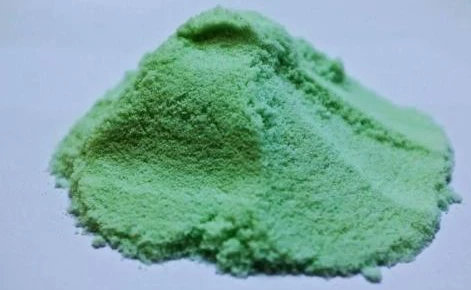
Poly Ferric Sulphate (PFS) is a widely used inorganic polymer coagulant in water treatment processes. Its effectiveness in removing suspended solids, colloids, and certain heavy metals from water is well - recognized. However, determining the best dilution ratio for Poly Ferric Sulphate is crucial for achieving optimal water treatment results. As a Poly Ferric Sulphate supplier, I have witnessed firsthand the impact of the dilution ratio on the performance of this coagulant.
Understanding Poly Ferric Sulphate
Poly Ferric Sulphate is a high - molecular - weight polymer formed by the hydrolysis and polymerization of ferric sulfate. It has strong coagulation and flocculation properties, which can effectively neutralize the charges of suspended particles in water, causing them to aggregate and settle. This makes it an ideal choice for treating various types of wastewater, including industrial wastewater, municipal sewage, and drinking water.
Factors Affecting the Dilution Ratio
The best dilution ratio for Poly Ferric Sulphate is not a one - size - fits - all value. It depends on several factors, including the nature of the water being treated, the concentration of contaminants, and the treatment process.
Nature of the Water
Different water sources have different characteristics. For example, surface water may contain a high amount of organic matter, algae, and suspended solids, while groundwater may have a higher concentration of heavy metals. The dilution ratio needs to be adjusted accordingly. If the water has a high turbidity, a lower dilution ratio may be required to ensure sufficient coagulation. On the other hand, if the water is relatively clean, a higher dilution ratio may be sufficient.
Concentration of Contaminants
The concentration of contaminants in the water also plays a significant role in determining the dilution ratio. Higher concentrations of contaminants usually require a lower dilution ratio to ensure that there is enough Poly Ferric Sulphate to react with the contaminants. For instance, in industrial wastewater with high levels of heavy metals, a more concentrated solution of Poly Ferric Sulphate may be needed to achieve effective removal.
Treatment Process
The treatment process also affects the dilution ratio. In some cases, such as in a continuous flow treatment system, a more diluted solution of Poly Ferric Sulphate may be preferred to ensure a more uniform distribution of the coagulant in the water. In batch treatment processes, a higher concentration may be used initially to quickly achieve coagulation.
Common Dilution Ratios and Their Applications
In general, the dilution ratio of Poly Ferric Sulphate can range from 1% to 10%. Here are some common dilution ratios and their typical applications:
1% - 3% Dilution
A 1% - 3% dilution of Poly Ferric Sulphate is often used for treating relatively clean water, such as drinking water or lightly polluted surface water. This low - concentration solution is sufficient to remove small amounts of suspended solids and colloids. For example, in a drinking water treatment plant, a 1% solution of Poly Ferric Sulphate can be added to the raw water to coagulate the fine particles and improve the clarity of the water.
3% - 6% Dilution
A 3% - 6% dilution is suitable for treating moderately polluted water, such as municipal sewage or industrial wastewater with a medium level of contaminants. This concentration provides a stronger coagulation effect and can effectively remove a wider range of pollutants, including organic matter and heavy metals. For instance, in a municipal sewage treatment plant, a 5% solution of Poly Ferric Sulphate can be used to coagulate the suspended solids and organic matter in the sewage, making it easier to separate them from the water.

6% - 10% Dilution
A 6% - 10% dilution is typically used for treating highly polluted water, such as industrial wastewater from mining or chemical industries. The higher concentration of Poly Ferric Sulphate is necessary to deal with the large amount of contaminants in the water. For example, in a mining wastewater treatment plant, an 8% solution of Poly Ferric Sulphate may be used to remove heavy metals and suspended solids from the wastewater.
Importance of Optimal Dilution Ratio
Using the optimal dilution ratio of Poly Ferric Sulphate is essential for several reasons. Firstly, it ensures the effectiveness of the coagulation process. If the dilution ratio is too high, there may not be enough Poly Ferric Sulphate to react with the contaminants, resulting in poor coagulation and flocculation. On the other hand, if the dilution ratio is too low, it may lead to over - dosing, which can cause problems such as increased sludge production and higher treatment costs.
Secondly, the optimal dilution ratio helps to reduce the environmental impact. By using the right amount of Poly Ferric Sulphate, we can minimize the amount of chemicals released into the environment and reduce the risk of secondary pollution.
Complementary Water Treatment Chemicals
Poly Ferric Sulphate can be used in combination with other water treatment chemicals to enhance the treatment effect. For example, Organic Ferrous Sulfate can be used together with Poly Ferric Sulphate to improve the removal of heavy metals. Cationic Polyacrylamide Flocculant and PAM Flocculant can be added after the coagulation process to further enhance the flocculation and sedimentation of the particles.
Determining the Best Dilution Ratio
To determine the best dilution ratio for Poly Ferric Sulphate in a specific application, a series of jar tests are usually conducted. In a jar test, different dilution ratios of Poly Ferric Sulphate are added to a series of water samples, and the coagulation and flocculation effects are observed. The dilution ratio that produces the best results, such as the fastest sedimentation rate and the lowest turbidity, is selected as the optimal dilution ratio.
Conclusion
In conclusion, the best dilution ratio for Poly Ferric Sulphate depends on various factors, including the nature of the water, the concentration of contaminants, and the treatment process. By carefully considering these factors and conducting jar tests, we can determine the optimal dilution ratio to achieve the best water treatment results.
As a Poly Ferric Sulphate supplier, we are committed to providing high - quality products and professional technical support. If you are interested in purchasing Poly Ferric Sulphate or need more information about its application and dilution ratio, please feel free to contact us for further discussion and negotiation.
References
- Letterman, R. D. (2019). Water Quality and Treatment: A Handbook of Community Water Supplies. McGraw - Hill Education.
- Crittenden, J. C., Trussell, R. R., Hand, D. W., Howe, K. J., & Tchobanoglous, G. (2012). Water Treatment: Principles and Design. John Wiley & Sons.


